Physical AI Research
Investigating robot manipulation, embodied AI, and perception-action coupling through learning-based and model-based methodologies.
Research and Experimentation Laboratory
AIPA Lab conducts applied research in Physical AI, developing intelligent systems that perceive, decide, and act in real-world environments. Our work integrates simulation-based learning, robotic experimentation, and system-level validation to bridge theoretical advances with deployable cyber-physical solutions for industrial and societal applications.
Investigating robot manipulation, embodied AI, and perception-action coupling through learning-based and model-based methodologies.
Developing digital twin platforms for simulation-driven learning, domain randomization, and validated policy transfer to physical systems.
Engineering validation and real-world deployment through continuous iteration between simulation, prototyping, and physical execution.
AIPA Lab is a research and experimentation laboratory dedicated to building intelligent physical systems that perceive, decide, and act in the real world. We integrate artificial intelligence, robotics, and digital twin technologies to enable reliable, autonomous, and scalable physical AI solutions.
Our research emphasizes hands-on experimentation, system-level integration, and deployable prototypes. Rather than focusing solely on theoretical models, we prioritize engineering validation and real-world applicability through continuous iteration between simulation and physical deployment.
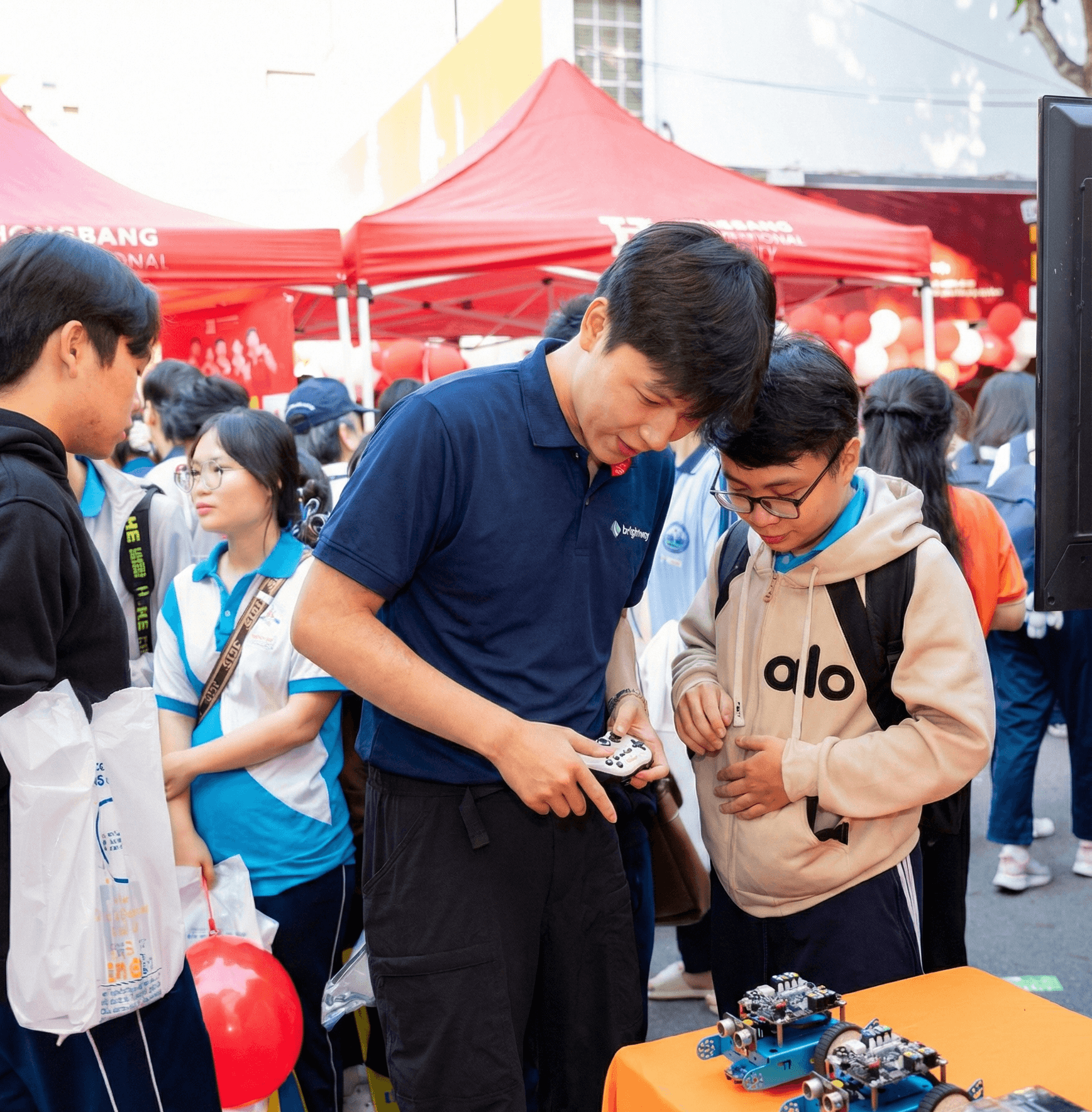
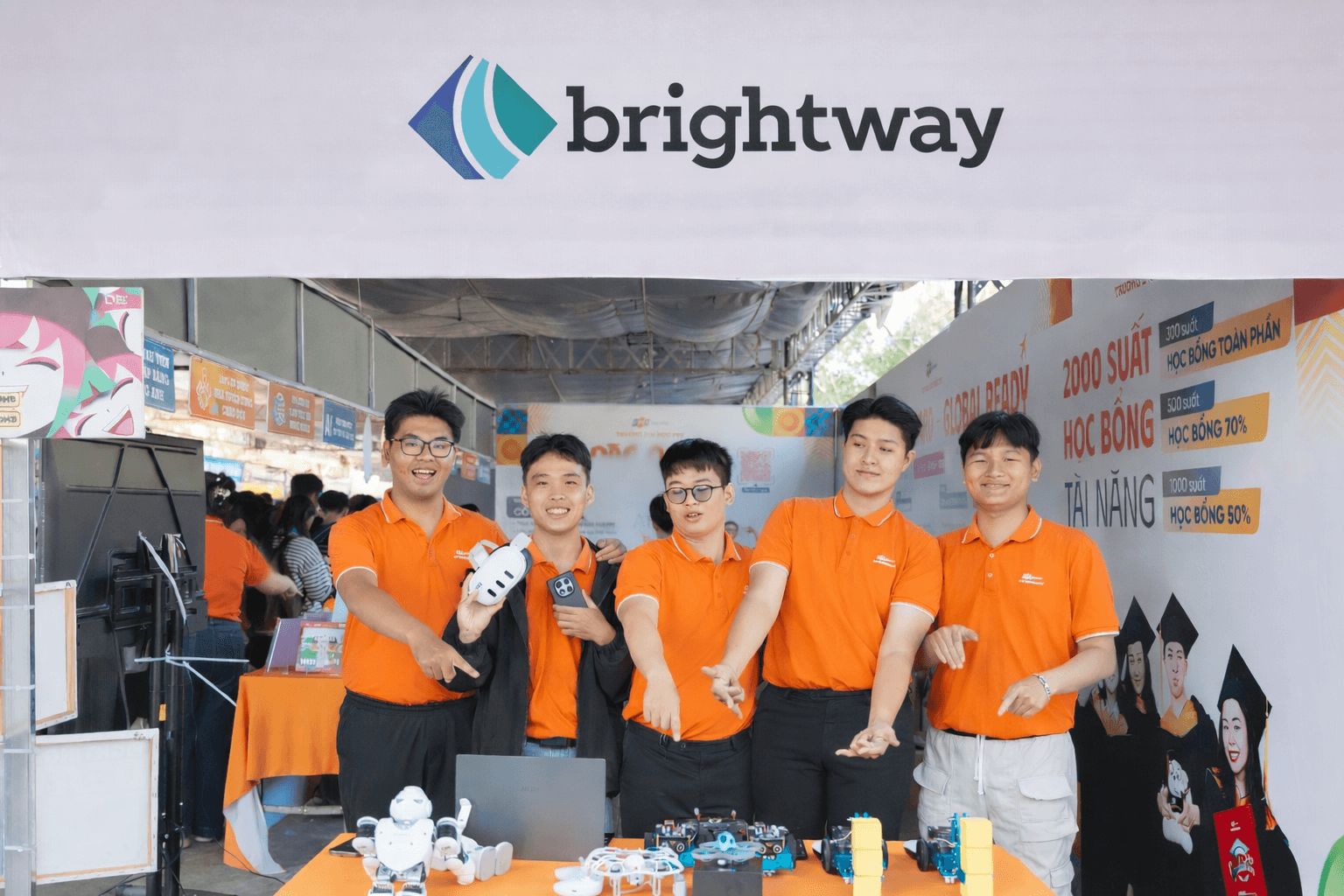
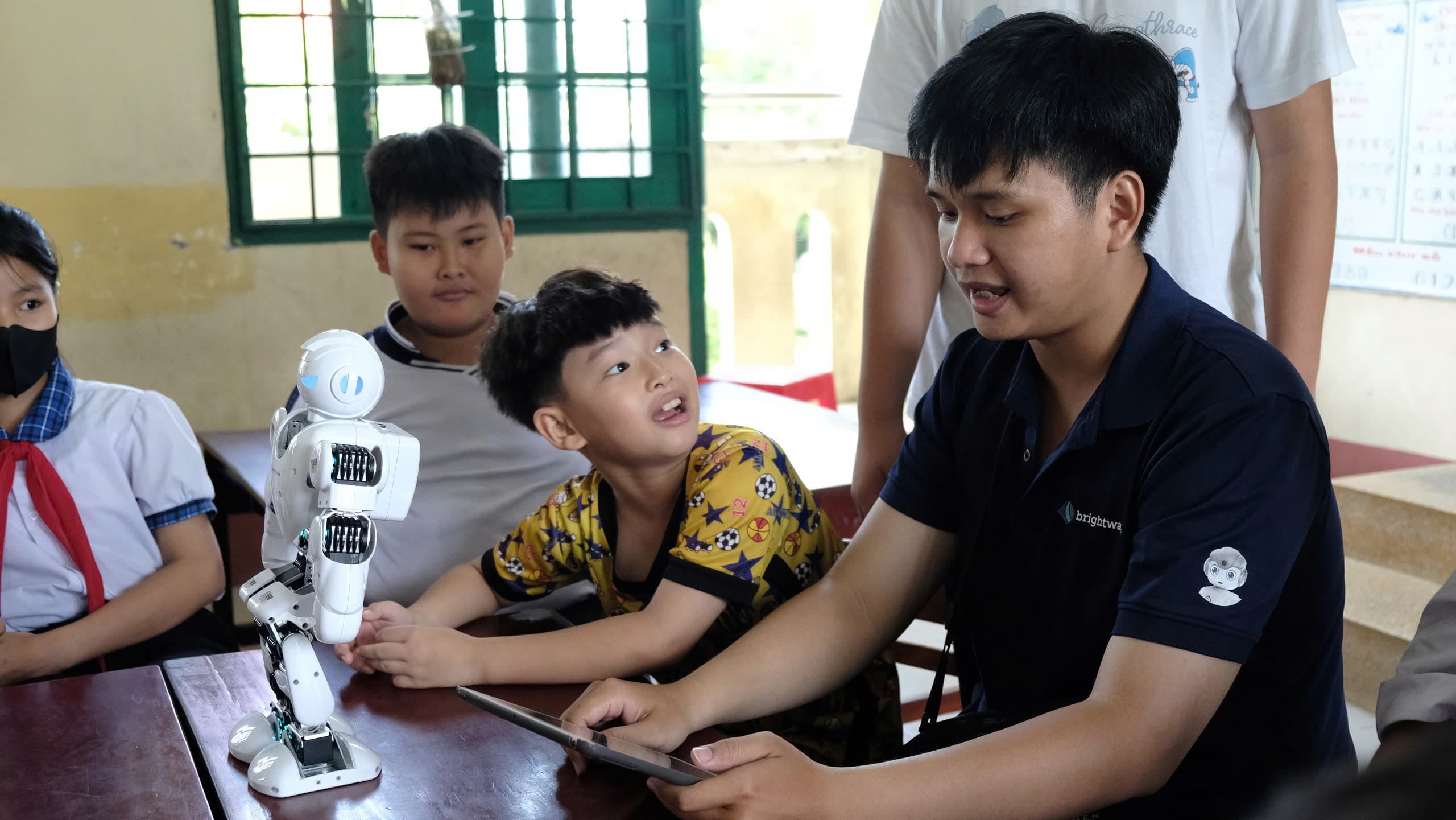
Physical AI as a research domain — bridging simulation, learning, and real-world execution to deliver intelligent systems that operate reliably in physical environments.
To develop, validate, and deploy applied intelligence systems that enhance autonomy, safety, and efficiency in real-world physical systems.